The UK has recently laid out increased restrictions on the advertising of HFSS (High Fat, Salt, Sugar) products, also commonly referred to as Less Healthy Foods (LHF). While the legislation is not law until January 2026, advertisers are expected to abide by the spirit of the regulations until it becomes a part of UK law. These new regulations will reshape the digital advertising landscape, particularly for addressable media, and force major FMCG brands to rethink their strategies.
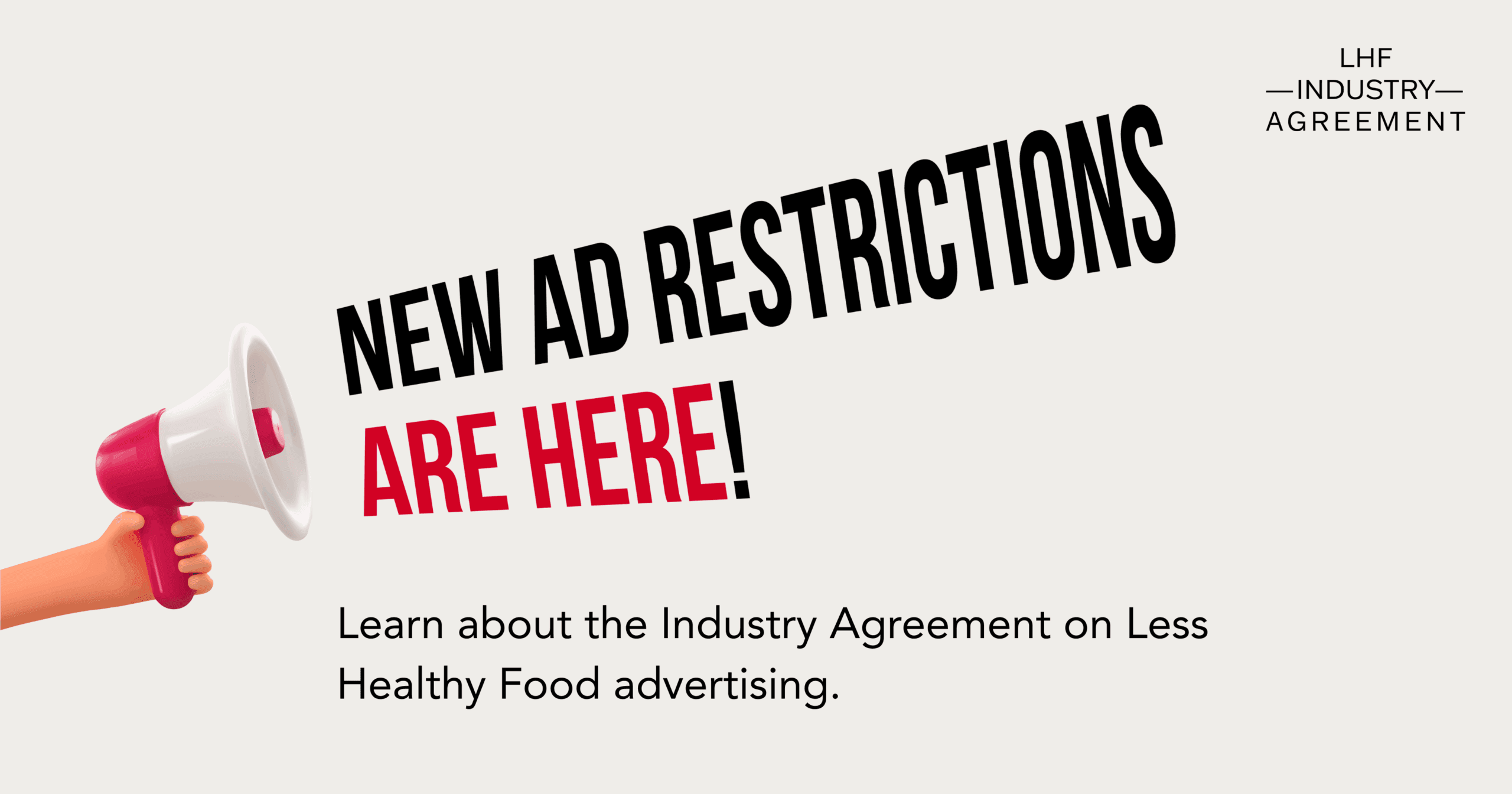
Source: Advertising Association
What's changing?
The legislation introduces two major restrictions:
- A 9pm watershed for LHF ads on linear TV and on-demand services
- A total ban on paid digital advertising for LHF products across all online platforms.
These rules aim to reduce children's exposure to unhealthy food marketing and tackle rising obesity rates. But there will be clear impacts for the advertising industry in the wake of these increased restrictions.
How will this affect Addressable media performance?
Addressable media is defined by its ability to target specific audiences using data and has been a cornerstone of digital marketing for LHF brands. The ban will severely limit its utility in several ways:
- Loss of precision targeting
LHF brands will no longer be able to use key behavioural data to reach high-intent consumers online, undermining a vast wealth of previously utilised targeting capabilities and completely negating the use of paid advertising channels for affected brands.
- Reduced ROAS
With digital channels off-limits, brands must rely more heavily on above-the-line media, like TV and OOH (out-of-home), which typically offer lower ROAS (return-on-average-spend) and less granular performance tracking.
- Greater competition
The 9pm watershed compresses available TV inventory for LHF Brands; however, this will likely have a knock-on effect for all brands, as there will be more competition for pre-9pm inventory, potentially leading to higher CPMs (cost-per-mile) due to increased demand.
- Data deprivation
Brands will lose access to performance data from digital platforms, making it harder to optimise campaigns and measure impact in real time. LHF brands have historically leaned on digital channels to drive impulse purchases and brand affinity, especially among younger audiences. These new regulations will force advertisers to pivot away from digital into more organic forms of advertising.
What's next for LHF brands?
While the LHF ban is a regulatory challenge, it also presents an opportunity for brands to innovate and position themselves.
Brands that embrace creative storytelling, invest in owned ecosystems, and adapt to new media realities will be best positioned to thrive in a post-LHF world.
There are opportunities for affected brands to position themselves ahead of the curve. Will they look to adjust recipes to avoid falling foul of LHF classification? Will they pivot to non-LHF sub-brands or product lines? Could UGC (User-Generated Content) and wider influencer marketing be a way to navigate potential grey areas by utilising organic content?
No matter how brands decide to proceed, one thing is certain: digital marketing will continue to reshape itself around regulations, as it has done countless times before.
If you’d like to learn more, don’t hesitate to get in touch. For more thinking around this topic, take a look at this article from Alex Marks, our Media Marketing Director - https://newdigitalage.co/ooh/lhf-restrictions-and-the-reimagined-media-landscape/.