Football is in flux. Formats are shifting, fan behaviours are fragmenting, and the balance between commerce and community has never been more finely poised. For brands, that makes the game more complex - but also more full of possibilities.
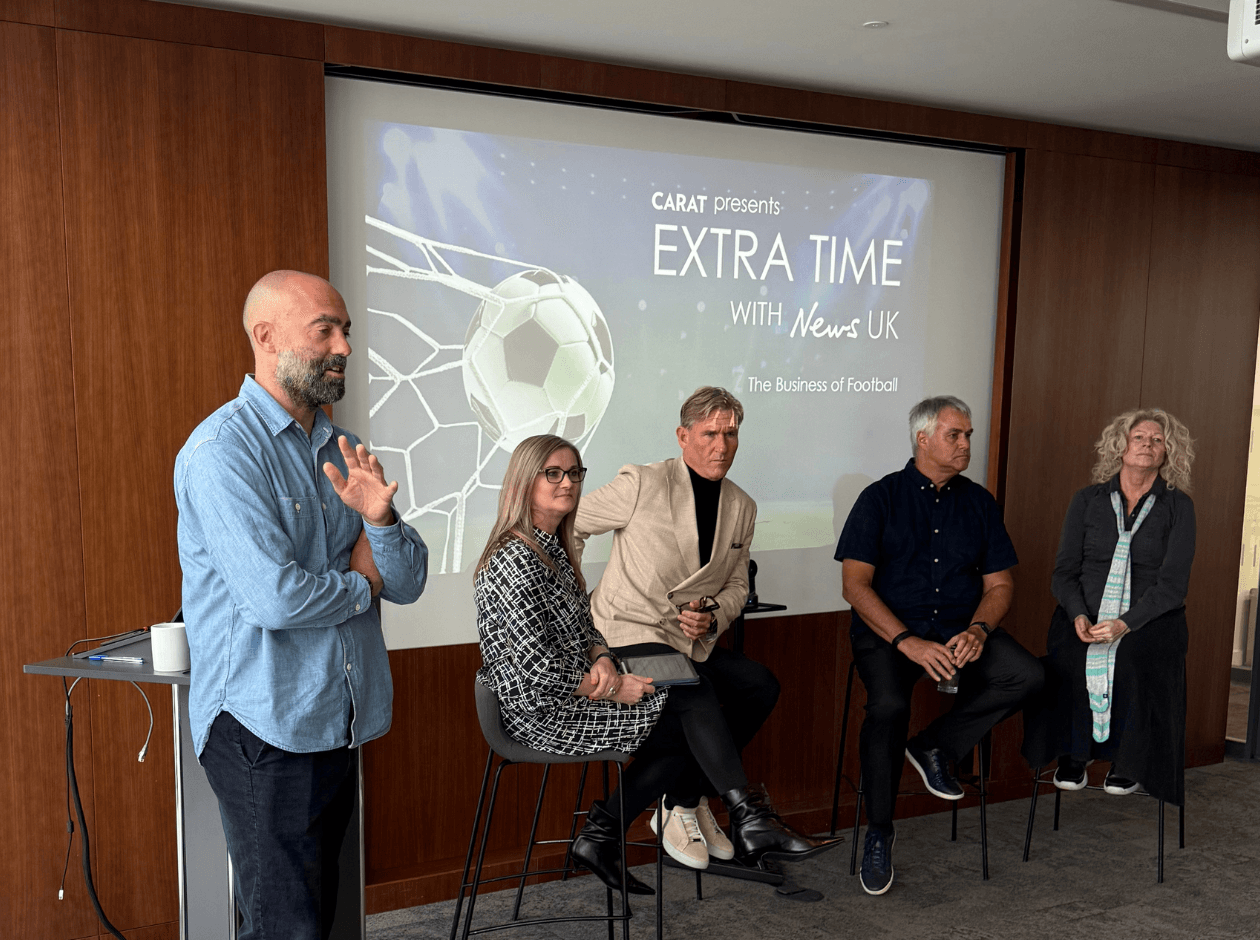
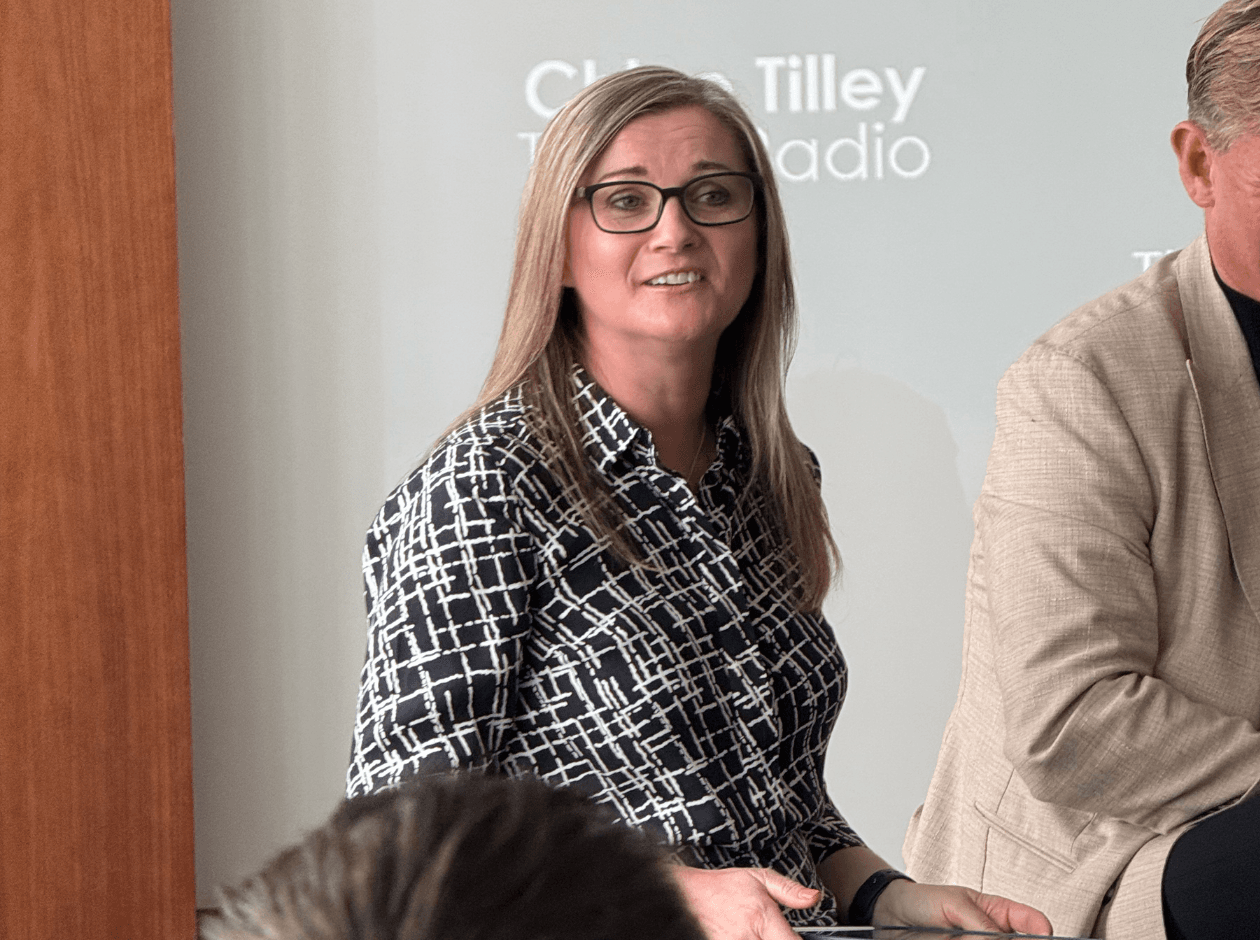
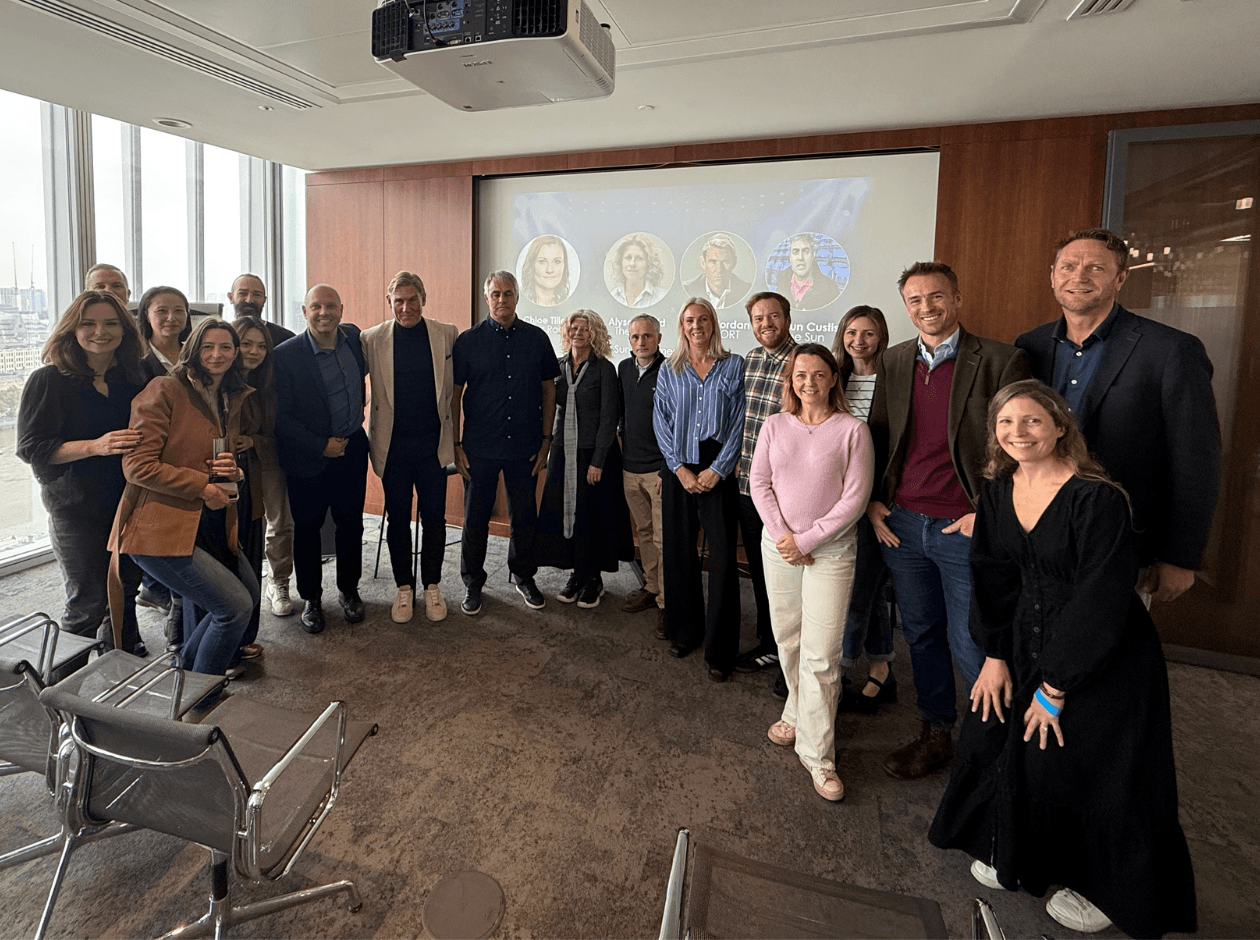
To unpack these dynamics, Carat partnered with News UK to host a discussion that brought together voices from across football and media: Times Radio’s Chloe Tilley, The Times’ Alyson Rudd, The Sun’s Shaun Custis and talkSPORT’s Simon Jordan. Their conversation cut through the headlines to explore what’s really changing in football - and what it means for fans, media and marketers.
1. Champions League: fewer “dead rubbers”, more drama
The new UEFA Champions League format has its critics, but it has undeniably changed the rhythm of the competition. As Shaun Custis put it, the era of “dead rubbers” is over, with more fixtures carrying weight deep into the competition. For media owners, that keeps attention levels higher for longer. For brands, it creates more moments worth activating around, but also demands agility, as the stories can shift week by week.

2. Fans are changing how and what they watch
Younger audiences are rewriting the rulebook. They follow players before clubs, clips before full matches, and creators reacting to games as much as the games themselves. Football today is as much about the conversation around the match as the 90 minutes on the pitch. For brands, that means rethinking formats and tone. Presence isn’t enough; participation matters.
3. Player-first storytelling is eclipsing club loyalty
Messi’s move to Miami showed how allegiance can travel with a single player. Simon Jordan highlighted how this trend challenges clubs trying to secure generational loyalty, but it also opens the door for brands to tell stories about athletes as cultural icons. Footballers are no longer only tied to a shirt; they are global properties in their own right.

4. The rise of the “well-run” club
Alyson Rudd highlighted how teams like Bournemouth are redefining what success looks like. By combining sharp scouting with the promise of immediate Premier League exposure, they attract ambitious young players and accelerate their development. In an era of financial rules and state-backed ownership, these “well-run” clubs prove there are still different models for progress. For brands, they embody stories of trust, graft and authenticity that audiences find compelling.

5. Football as a mirror for media trends
From fragmented subscriptions to the rise of creator-led formats, football is often the first testing ground for wider shifts in media. Simon Jordan was blunt: “Broadcasters are the paymasters,” and with that comes constant evolution. For brands, football offers a real-time case study of how audiences adopt new models and how business follows fandom.
6. Media partnerships are becoming multi-format
Publishers like News UK are no longer just print or broadcast outlets. They are creators of podcasts, live shows, TikTok explainers and digital communities. For brands, this means partnerships can now blend the depth of trusted journalism with the immediacy of social and video. The most effective activations will be those that harness the full ecosystem.
7. Content is currency
Football has always created stories, but today those stories move at different speeds. Match reports and weekend pull-outs deliver authority, while TikTok clips and podcasts deliver immediacy. Fans expect both. For brands, the opportunity lies in creating content that feels native to each format. Not just a sponsorship badge, but a contribution to the experience.
8. World Cup 2026: the ultimate media stress test
The next World Cup, spread across three countries and multiple time zones, will be the most digitally consumed tournament in history. Always-on coverage, social-first storytelling and fan-generated content will dominate. Brands that prepare now with flexible, cross-platform strategies will be best placed to thrive when the world’s attention is fragmented but at peak intensity.
What this means for brands
Football’s new reality - fewer dead rubbers, fan-led formats, and audiences that move seamlessly between print pull-outs, TikTok highlights and WhatsApp debates - demands more than badging.
- It calls for multi-format strategies: showing up consistently across the week and across platforms.
- It calls for partnerships with media owners that combine trusted journalism with new forms of digital storytelling.
- And it calls for content that adds value to fans, whether that’s analysis, entertainment or behind-the-scenes access.
The lesson is clear: brands that treat football not just as a sponsorship platform but as a living, breathing media ecosystem will be the ones that win fans, not just impressions.
At Carat, we see football as a live model for the future of media. Those who learn from it now will be best placed to lead - not just in sport sponsorship, but in how brands connect with culture more broadly.
Explore more of our thinking on culture, commerce and media here, or get in touch with the Carat team to discuss how your brand can play to win in football’s next chapter.