Remember where you were when England lost on penalties? Again? Of course you do. Not just because it's a recurring national trauma, but because you probably watched it with other people. In a pub, at a mate's house, crammed into your parents' living room with three generations arguing over Southgate's tactics. The memory isn't just about the match. It's about who you were with, the jokes you made, the collective groan when it all went inevitably wrong.
Now think about the last thing you watched on Netflix. Last night, probably. Maybe even in the last hour. Can you remember it? Can you remember how it made you feel? More importantly, would anyone else in your life have watched the exact same thing at the exact same time?
This is the paradox brands are navigating in 2026. We've built a media ecosystem optimised for personal relevance, algorithmic precision, and on-demand convenience. Yet what people crave, what they remember, what they talk about, are the moments they experienced together.
The dentsu 2026 Media Trends report calls this "shared memories hit different," and they're absolutely right.
In an attention economy where everyone's drowning in content, the experiences that cut through aren't necessarily the most personalised. They're the most shareable. The most talkable. The most collectively experienced.
In a recent partnership with Co-op Funeralcare, we created a Channel 4 series that tackled one of Britain's last great taboos: planning your own funeral. "Celebrity Send Off" paired celebrities to plan each other's send-offs, getting it wonderfully, awkwardly wrong. The results? 63% of viewers said they felt more comfortable talking about funeral wishes afterwards. Not because we personalised the message to each viewer. Because we created something people watched together and talked about together. The shared experience became the unlock.
This matters because the UK media landscape in 2026 is pulling in two directions simultaneously. In the blue corner, we've got hyper-personalisation reaching new heights. AI-curated feeds, recommendation engines that know you better than you know yourself, and content served up exactly when you want it. And in the red corner, we're seeing a hunger for collective experiences that's driving everything from pub viewership of major sporting events to Glastonbury ticket websites crashing in seconds to Oasis reunion tickets breaking the internet (and everyone's patience – including mine - with dynamic pricing).
Brands that win in this landscape aren't choosing between these two realities. They're leaning in to create tension between them.
The British pub as media strategy
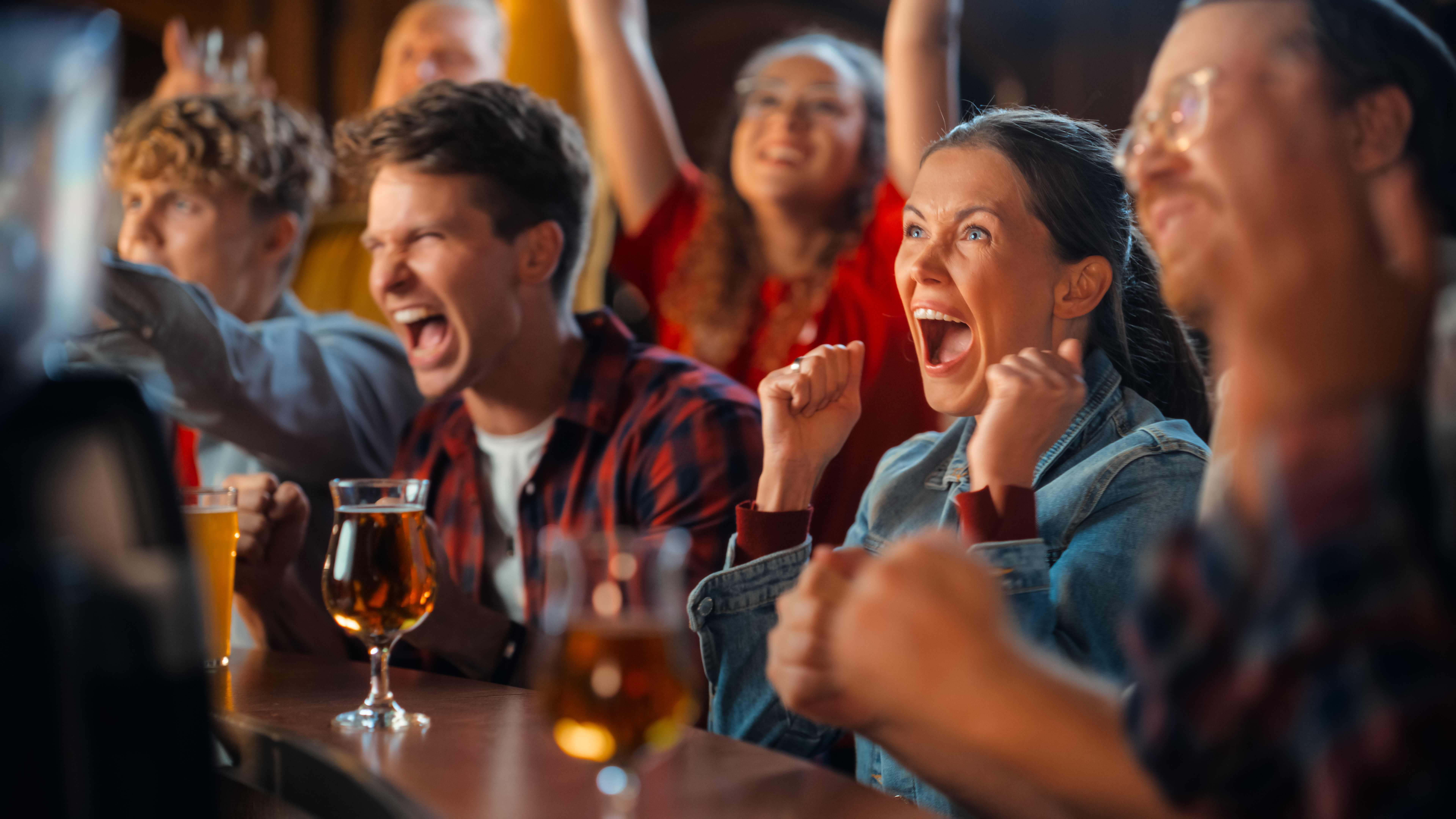
During the 2024 Euros, pubs across the UK were absolutely rammed for every England match. Not just the big ones, every single match. People who own massive tellies at home, who have Sky Sports, who could watch in comfort, chose instead to stand in crowded, overpriced pubs to watch with strangers.
Why? Because watching football alone is just watching football. Watching it in a pub is an experience. It's communal joy and communal suffering. It's singing ‘Sweet Caroline’ at the top of your lungs, it's high-fiving strangers. It's the shared experience that makes it memorable.
This is a media strategy hiding in plain sight. The pub isn't competing with home viewing on quality. It's competing on something entirely different: the experience of experiencing it together. The pub has understood something that many brands haven't. People don't always want the most convenient or personalised option. Sometimes they want the most shareable one.
When Carling sponsored talkSPORT's UEFA coverage, they weren't just buying reach. They were creating a shared listening experience for football fans. The phone-ins, the debates, the post-match analysis. It became something people experienced together, even if they were in different places. Five million listeners, but more importantly, five million people who felt part of the same conversation.
Nostalgia as collective memory
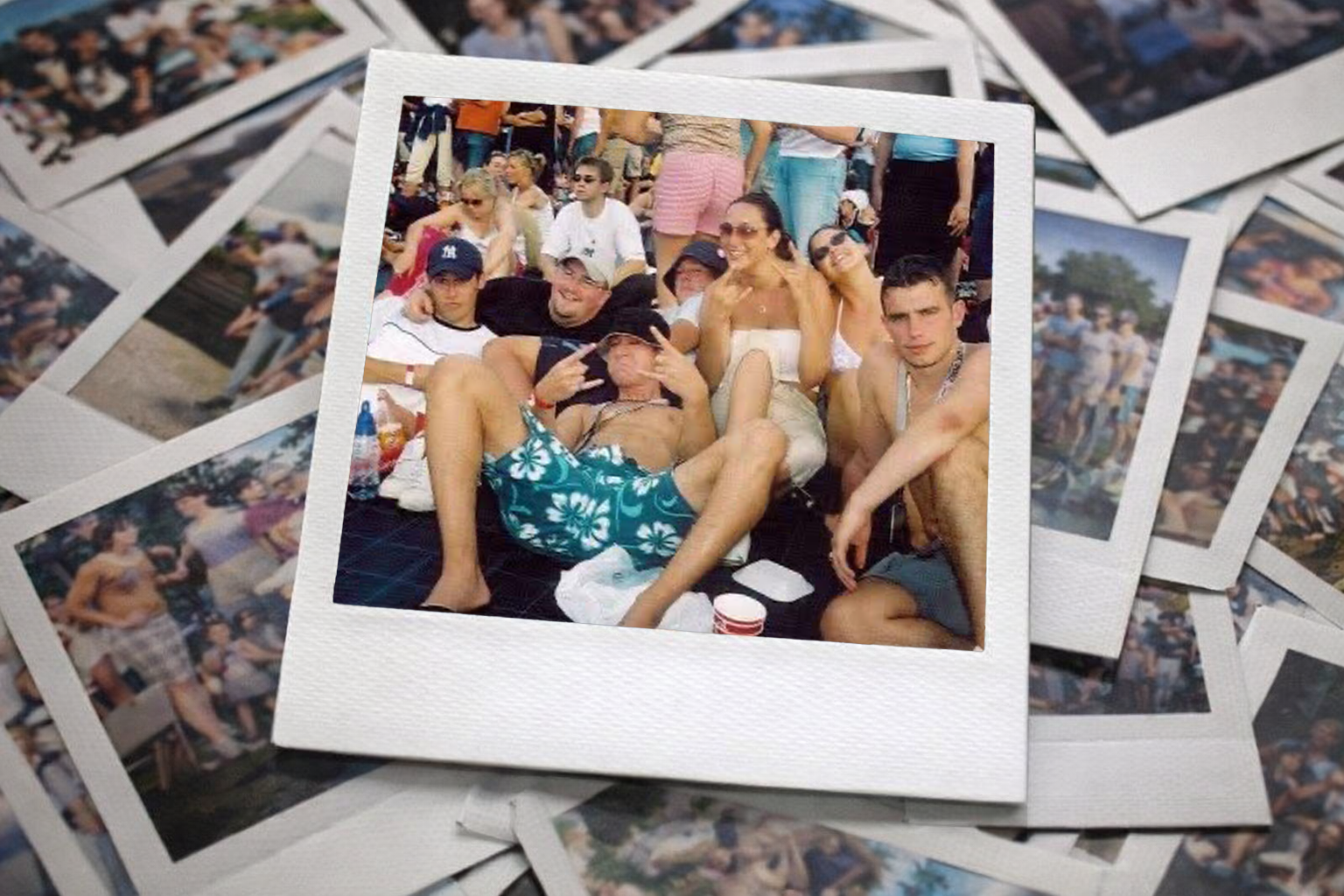
We’d be remiss not to address nostalgia, because it's everywhere in British marketing right now, and everyone's doing it…. slightly wrong.
The temptation with nostalgia is to make it personal. "Remember when you..." But that's not where the power is. The power is in collective memory. "Remember when we all..." That shift from singular to plural is everything.
Think about Ferrero Rocher at Christmas. For decades, the gold-wrapped pyramids have been synonymous with a very specific kind of British festive aspiration. The "Ambassador's Reception" ads became part of our collective cultural vocabulary - "Monsieur, with these Rocher, you are really spoiling us!" - even if we were laughing at them or mimicking them ironically. Everyone knows that gold foil. Everyone has a Christmas memory, whether it's the slightly naff box your auntie brought or the posher version at an actual party. It's not your specific memory that makes it powerful. It's that it's a shared British experience, a collective reference point that connects across generations.
The Oasis reunion announcement in 2024 was a masterclass in this. It wasn't just about the music (you can listen to "Wonderwall" any time you want on Spotify). It was about being part of the collective moment. The simultaneous ticket stress. The shared outrage at dynamic pricing. The communal excitement. Even people who didn't get tickets still got the experience of the moment. They were part of the story.
Brands that understand this don't just mine nostalgia. They’re creating new moments that will become nostalgic in the future.
Live moments in an on-demand world
Streaming has won the convenience war but lost the relevance battle. On-demand platforms give us everything we want to watch, available whenever we want it. But what they can't give you is the feeling that everyone else is watching it too, right now.
This is why live TV, despite all predictions of its death, refuses to die. Just last month, BBC’s Celebrity Traitors final pulled 11.1 million viewers, peaking at 12 million, all watching simultaneously at 9pm on a Thursday night. That's the biggest live UK audience of the year for a single TV show. Around 81% of everyone watching television at that moment was watching the same thing. In an era of infinite choice, eight out of ten people chose the same programme at the same time.
Why? Because watching it later meant missing out on the collective experience. Social media exploded in real time. Group chats went wild. Joe Marler's "big dog theory" became an instant meme. The show itself was brilliant, sure. But the experience of watching it whilst the nation watched it, whilst social media lost its mind, whilst your WhatsApp groups erupted, that's what made it unmissable. Even though the entire episode had leaked online in Canada 24 hours before broadcast (threatening to spoil everything), people still showed up live in record numbers. They wanted the shared moment more than they wanted convenience.
The smart streaming platforms are starting to understand this. When Netflix launched Netflix House, their permanent experiential venues in the US, they weren't just creating another merch opportunity. They were creating physical spaces for shared experiences around their content. Squid Game immersive experiences. Stranger Things pop-ups. These aren't about watching content. They're about experiencing content alongside other fans, creating memories that are both personal and collective.
DAZN's FanZone during the Club World Cup went further, letting fans anywhere create watch parties connected to the live action. You're watching at home, but you're watching with a global community of other fans. The content is the same, but the experience becomes shared.
What this means for brands
So, if shared memories create stronger brand connections than personalised ones, what should brands actually do about it?
- First, stop assuming that personalisation is always the answer. Yes, algorithmic targeting is powerful. Yes, one-to-one marketing can drive conversion. But if everything in your strategy is optimised for individual relevance, you're missing the opportunities that come from collective experience. Sometimes the best marketing is the least targeted.
- Second, think about creating moments, not just content. Content can be consumed alone. Moments demand to be shared. What are you creating that people will want to experience together, or at least experience knowing that others are experiencing it too? What's the modern equivalent of the watercooler moment?
- Third, embrace strategic friction. Not everything needs to be convenient and on-demand. Sometimes scarcity, limited windows, and live-only experiences create more value precisely because they're less convenient. The Glastonbury ticket scramble is terrible user experience by every modern standard. It's also part of what makes Glastonbury special.
- Fourth, remember that nostalgia works best as collective memory. Don't just mine individual memories. Tap into shared cultural moments that create connection between people, not just between people and your brand.
The future is live (again)
After two decades of technology pushing towards personalisation and on-demand everything, we're seeing a countertrend emerge. People are actively seeking out live experiences, shared moments, and collective participation. Not because the technology isn't good enough. Because it's too good, it's made everything so personalised that we've lost the experience of experiencing things together.
The brands that win in 2026 will be the ones that can do both. Who can deliver personalised relevance when that's what people want, and create collective experiences when that's what people need.
Because in the end, brands are competing for memory. The space in someone's mind where the experiences that mattered live. And those memories are almost always social. Almost always shared. Almost always, about the time we all felt something together.
The question isn't whether your brand can create personalised experiences at scale. The question is whether you're creating anything worth remembering together.
That's where the real value is. Not in the individual memory, but in the collective one. Not in "I saw that," but in "we all saw that." That's what hits different. And in 2026, that's what brands need to build for.
Want to explore all nine trends shaping 2026? This article explores just one insight from dentsu's comprehensive 2026 Media Trends report, "Human Truths in the Algorithmic Era." Download the full report to discover how brands can anchor their thinking around enduring human behaviours to drive growth in the year ahead.
Want to discuss how these trends apply to your brand? Get in touch with our team.